
The Photographic Process
The Photographic Process explores photography not simply as image making, but as a complete artistic process. Together, we'll examine how photographs made on the street and throughout everyday life evolve from fleeting moments into finished works of fine art experienced in galleries and physical space. From observation and exposure to editing, sequencing, printing, framing, and exhibition, we'll explore every stage of the photographic journey.
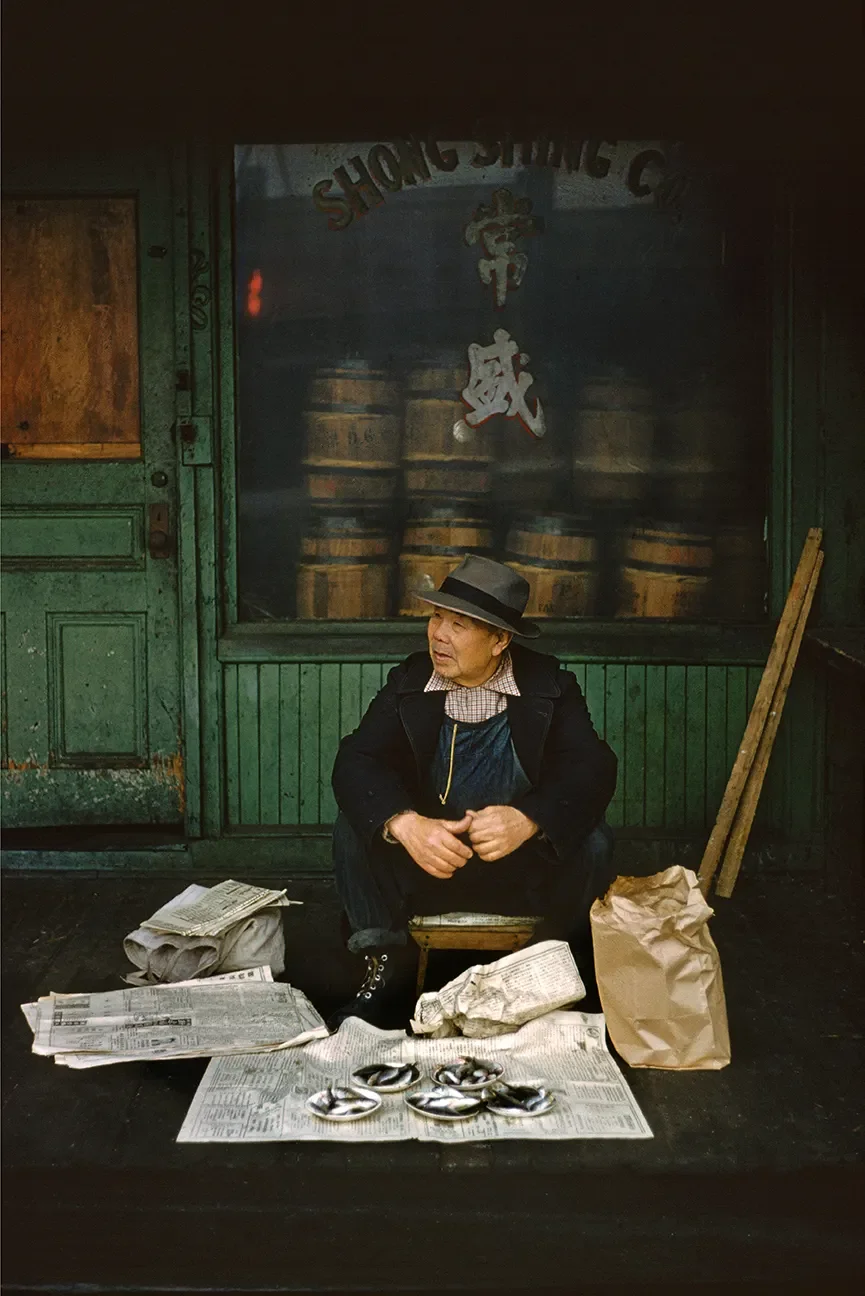
In this edition of The Photographic Process, we'll do so through the life, work, and photographic philosophy of Vancouver photographer Fred Herzog. His pioneering use of Kodachrome during the 1950s, 60s, and 70s transformed the way colour photography was understood. At a time when serious photography was almost exclusively black and white, Herzog demonstrated that colour could become a powerful visual language capable of expressing atmosphere, memory, place, and the quiet poetry of everyday life.
Throughout five weeks together, we'll study the photographers who influenced Herzog, the historical and cultural landscape in which he worked, and the artistic decisions that shaped one of Canada's most significant bodies of colour photography. More importantly, we'll ask why these photographs continue to resonate today, and what they can teach us about our own way of seeing. To learn more about Fred Herzog and view a selection of his photographs, click here.
Rather than attempting to imitate Herzog's photographs, we'll use his work as a point of departure for developing our own visual language. Through lectures, guided photowalks, photographic assignments, critique, editing, sequencing, archival printing, framing, and exhibition preparation, you'll create a cohesive body of work while experiencing the complete photographic process from first exposure to finished exhibition print.
Workshop Schedule
Each week builds upon the last, combining seminar discussions, guided photowalks, individual photographic assignments, and group critique. As your photographs evolve, so will your understanding of editing, sequencing, printing, and presentation. Together, we'll move beyond simply making photographs and learn how a cohesive body of work is developed, refined, and ultimately presented through a curated public showcase.
View the complete workshop schedule
Week 1
Friday, September 18 | 6:00–9:00 pm
Session 1 — Introductory Seminar: Fred Herzog & the History of Colour Photography
The workshop begins with an in-depth seminar exploring the life, work, and photographic philosophy of Fred Herzog. Together, we'll examine his pioneering use of Kodachrome, the photographers and artistic movements that influenced him, and the historical and cultural landscape of Vancouver during the 1950s, 60s, and 70s.
We'll also introduce the core philosophy of The Photographic Process, exploring how photographs evolve from moments of observation into finished works of fine art through editing, sequencing, printing, framing, and public presentation.
Sunday, September 20 | 11:00 am–2:00 pm
Session 2 — Guided Photowalk: Chinatown
Participants will receive their first photographic assignment before exploring Vancouver's Chinatown together. Fred Herzog returned to these streets throughout his career, drawn to the neighbourhood's history, storefronts, signage, architecture, and everyday life. Together, we'll begin developing the habits of careful observation while discovering how familiar places can reveal extraordinary photographs.
Week 2
Friday, September 25 | 6:00–9:00 pm
Session 3 — Group Critique & Visual Language Seminar
Our first group critique examines the photographs produced during the opening week while introducing concepts of visual language, colour relationships, photographic intention, and personal style. Through discussion and constructive critique, participants will gain a deeper understanding of their own way of seeing and the qualities that distinguish a cohesive body of photographic work.
The session concludes with the introduction of the second photographic assignment, which will become the primary focus of the remainder of the workshop. Participants will produce a new body of photographs that will later be edited, sequenced, and refined using ten archival proof prints before progressing to final exhibition production.
Sunday, September 27 | 11:00 am–2:00 pm
Session 4 — Guided Photowalk: Robson Street
Our second guided photowalk explores Robson Street, one of Vancouver's busiest and most visually dynamic streets. Fred Herzog photographed here for decades, drawn to its storefronts, reflections, architecture, advertisements, and the constant flow of people. Together, we'll explore the same streets while developing our own way of seeing through observation, colour, and everyday life.
Week 3
Friday, October 2 | 6:00–9:00 pm
Session 5 — Group Critique & Portfolio Development
Building upon the previous critique, we'll examine recurring themes, visual consistency, sequencing, and the development of a cohesive body of work. Participants will refine their strongest photographs while discussing how individual images begin communicating together as a photographic series.
Sunday, October 4 | 11:00 am–2:00 pm
Session 6 — Guided Photowalk: Strathcona
Our final guided photowalk explores Strathcona, encouraging participants to photograph with greater intention while considering neighbourhood, architecture, public life, and the relationship between colour, memory, and place.
Week 4
Monday or Tuesday, October 5–6 | Individual 45 minute Online Zoom Mentorships
Scheduled by appointment
Session 7 — Portfolio Review & Individual Mentorship
Each participant will meet individually with Andrew Legere for a one-on-one Zoom portfolio review. Together, we'll evaluate the body of work created throughout the workshop, identify recurring themes, discuss sequencing strategies, and determine which photographs are strongest. This mentorship session prepares each participant for the collaborative editing and final print selection process.
Friday, October 9 | 6:00–9:00 pm
Session 8 (Optional) — Fred Herzog Slide Night & Open Studio
Inspired by the informal slide nights Fred Herzog hosted throughout his career, participants are invited to gather for an evening of photographs, conversation, and community. Bring a small selection of work from the workshop to share, explore photography books, enjoy refreshments, and spend time together before the final editing and print selection session.
Sunday, October 11 | 11:00 am–3:00 pm
Session 9 — Editing, Sequencing & Print Selection
Working with ten archival proof prints from each participant, we'll edit, sequence, and refine each body of work through collaborative discussion and critique. Together, we'll evaluate visual rhythm, recurring themes, colour relationships, and narrative flow before selecting the photograph that will move forward into final exhibition production.
Week 5
Sunday, October 18 | 11:00 am–3:00 pm
Session 10 — Print Signing, Exhibition Preparation, Artist Presentations & Professional Portraits
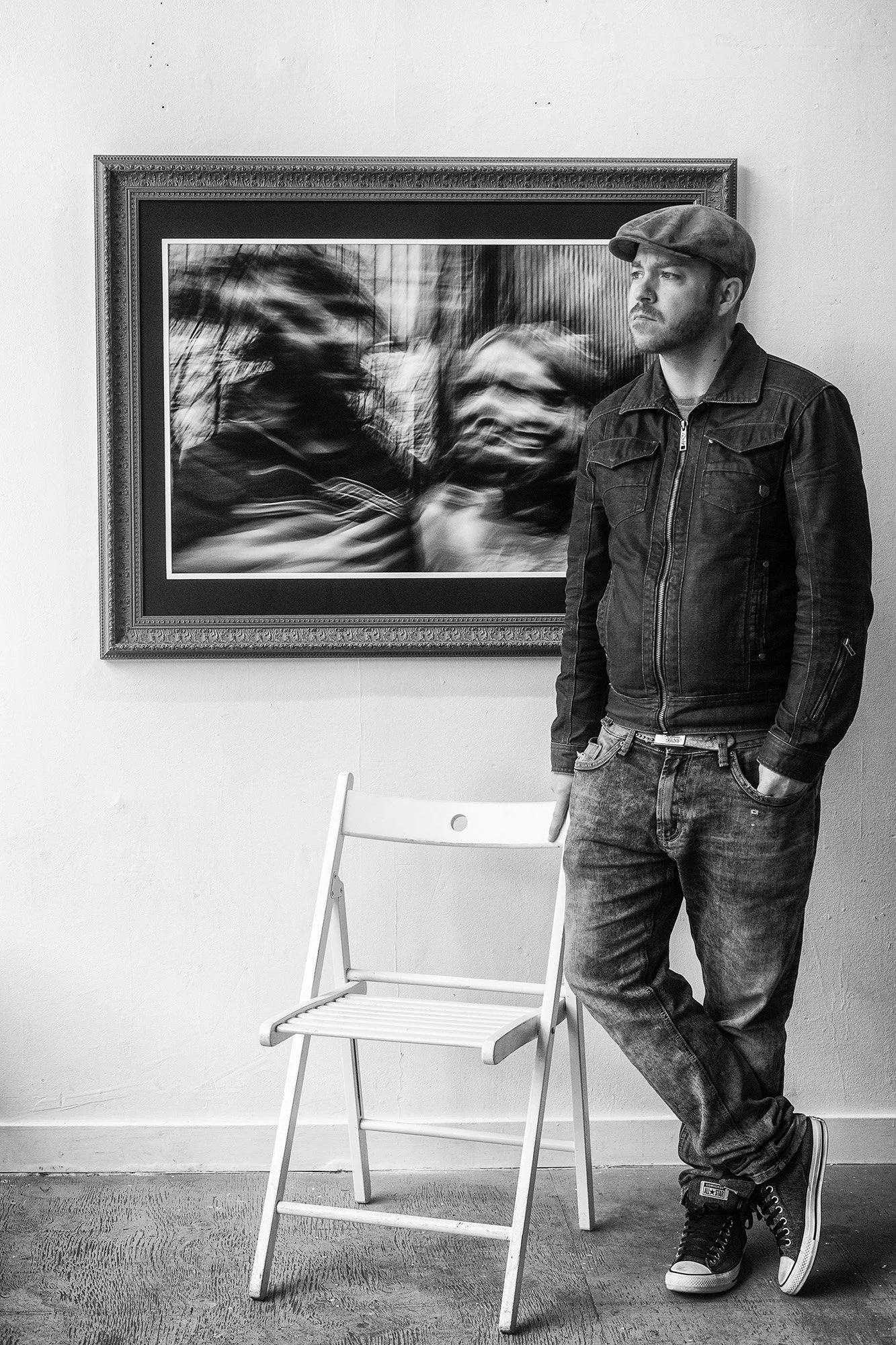
Participants will hand sign and date their final exhibition prints while learning about archival printing, paper selection, custom matting, conservation framing, and the presentation of finished photographic work. Each photographer will introduce their selected photograph to the group, prepare for the public showcase, and receive a professional portrait by Andrew Legere.
Public Showcase
Saturday, October 24 | Time TBA
The workshop concludes with a public showcase of the finished work created throughout the program. Every edition of The Photographic Process results in a unique presentation shaped entirely by the photographers, the work produced, and the character of the workshop itself.
Following the showcase, participants will take home their professionally printed, custom matted, and custom framed exhibition photograph, along with a curated portfolio featuring one archival print from each participant.
Final showcase details and location will be announced during the workshop.
The Exhibition
Rather than concluding with a final critique, The Photographic Process culminates in a professionally presented public showcase of the participants' work. Each photographer will exhibit a museum-quality archival exhibition photograph, professionally printed, custom matted, and framed, completing the journey from first exposure to finished work of art.
No two editions of The Photographic Process are ever the same. Each concludes with a unique public presentation shaped entirely by the photographers, the photographs they create, and the conversations that unfold throughout the workshop.
The showcase exists for one simple reason: to return photographs to the physical world. While photographs today are most often viewed on phones and computer screens, this workshop embraces the belief that they achieve their fullest expression as carefully crafted prints experienced in person. The final presentation celebrates not only the photographs themselves, but the complete photographic process that brought them into existence, from observation and exposure to editing, sequencing, printing, framing, and exhibition.
Your Finished Exhibition Photograph
Each participant will leave the workshop with more than a collection of photographs. One image from your body of work created throughout the program will be carefully selected, professionally printed, and custom framed as a finished exhibition fine art photograph.
Presented in a custom 16 × 20 inch gallery frame, with a museum-cut archival mat and premium reflection-free UV protective glazing, every photograph is produced using museum-quality materials and conservation framing methods by Legere Fine Art Services. Each participant will hand sign and date their finished print before it is matted and framed, completing the photographic process from first exposure to finished work of art.
Designed for long-term display and preservation, completed framed photographs will be available to take home following the public showcase.
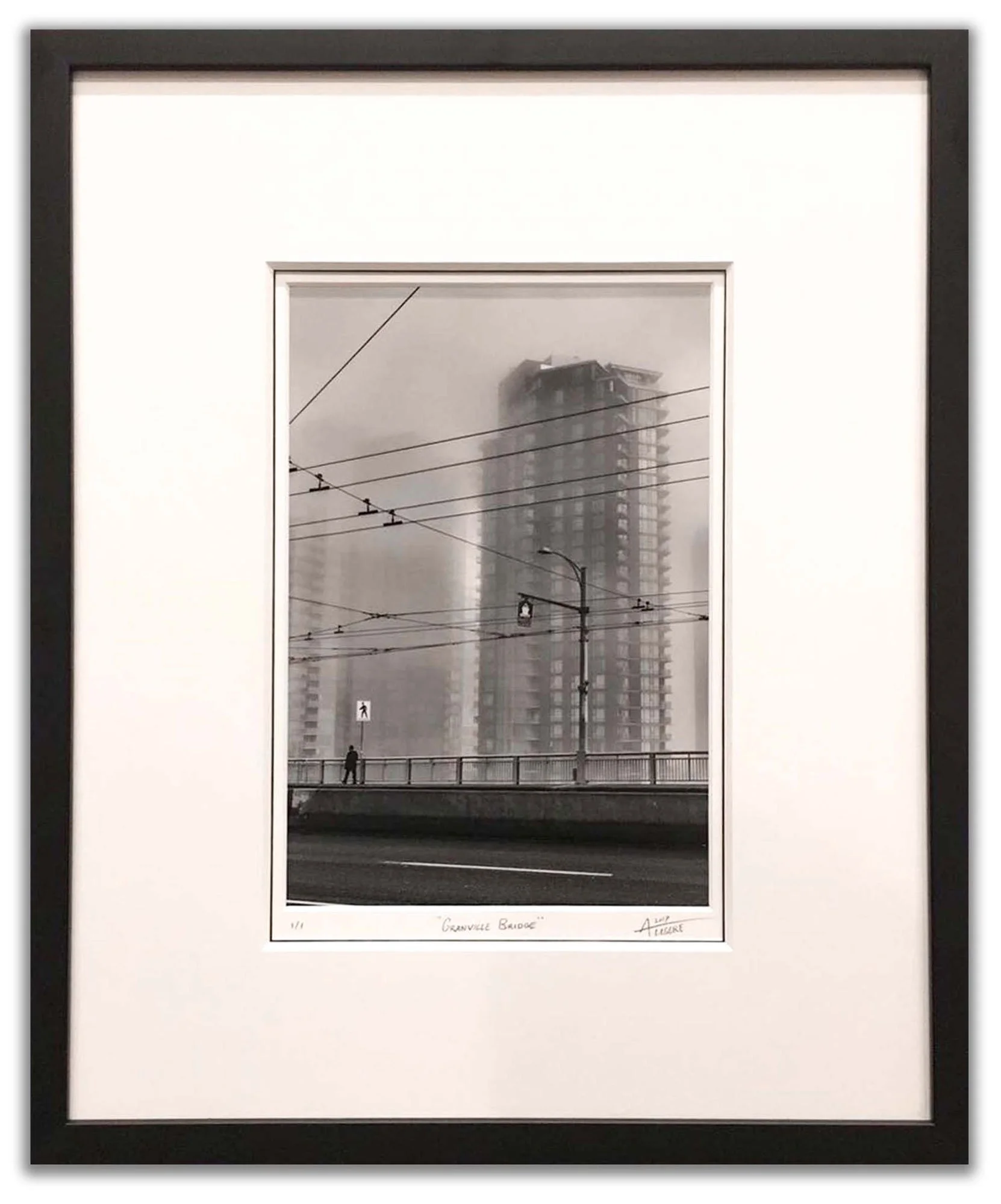
Example presentation only. Participants will receive a professionally printed and framed photograph created from their own work produced during the workshop. (Granville Bridge, by Andrew Legere)
What You Will Explore
Throughout lectures, discussion, guided photowalks, photographic assignments, critique, and exhibition preparation, participants will explore:
Fred Herzog's life, photographic philosophy, and contribution to the history of photography
The emergence of colour street photography during the 1950s, 60s, and 70s
Kodachrome and the creative possibilities of early colour photography
The photographers, artistic movements, and ideas that influenced Fred Herzog's work
Observation, patience, and recognizing meaningful photographs within everyday life
Colour as a visual language capable of expressing atmosphere, memory, and place
Photographing ordinary streets, storefronts, neighbourhoods, and public spaces with intention
Editing individual photographs into a cohesive body of work
Sequencing photographs to create visual rhythm, pacing, and narrative
Visual language, personal style, and the development of a distinctive photographic voice
Archival printing, presentation, and the relationship between photography and exhibition
Completing the photographic process from first exposure to finished exhibition print
Registration
Enrolment limited to ten participants
Workshop Fee
$750.00 CAD (Taxes included)
5% discount for payment by e-transfer
Open to photographers of all experience levels using either film or digital cameras.
Your registration reserves one of only ten places in the workshop and includes all seminars, guided photowalks, photographic assignments, critiques, individual mentorship, archival proof printing, museum-quality exhibition printing and custom framing, workshop materials, and participation in the final public showcase.
Your registration includes
Introductory seminar on Fred Herzog and the history of colour photography
Workshop handbook and reference materials
Snacks and refreshments provided during classroom sessions
Three guided Vancouver street photography sessions exploring Chinatown, Gastown, and Strathcona
Two photographic assignments
Two group critiques
One-on-one portfolio review and individual mentorship session with Andrew Legere
Editing, Sequencing & Print Selection Session
Fine Art Printing, Custom Framing, Print Signing & Exhibition Presentation Seminar
Ten archival proof prints for editing, sequencing, print evaluation, and group critique
One professionally printed archival exhibition photograph, custom matted and framed to 16 × 20 inches using museum-quality materials and conservation framing methods (valued at over $450)
Hand signing and dating of your final exhibition print
A professionally curated portfolio featuring one archival print from each participant
A professionally presented public showcase of your finished work
A professional in studio artist portrait photographed by Andrew Legere
A Note From Andrew,
Photography has always been more than a collection of photographs. It is a conversation carried from one generation of photographers to the next through books, mentorship, criticism, shared experience, and the photographs themselves.
One of the reasons I created The Photographic Process was to create a place where that conversation could continue in person. To bring photographers together to study important bodies of work, ask questions, share ideas, challenge one another, and learn through making photographs together.
Fred Herzog spent decades quietly photographing the streets of Vancouver, creating a body of work that continues to influence photographers around the world. Throughout this workshop, we'll study his photographs, his philosophy, and his way of seeing, not simply to appreciate what he created, but to understand the artistic decisions behind it and apply those lessons to our own work. Every great photographer builds upon those who came before them, and I believe there is no better place to begin than by carefully studying the work of a master.
Frequently Asked Questions
-
These workshops are intended for photographers who are comfortable using their camera and are looking to deepen their understanding of photography as an artistic practice. While no formal training is required, participants should be open to discussion, critique, editing, sequencing, and creating finished photographic prints.
-
Photowalks take place throughout central Vancouver and are intentionally planned around locations that are easily accessible by SkyTrain and public transit. In person workshops, critiques, and exhibition sessions are held in Mount Pleasant at Legere Fine Art Services Studio.
-
Any camera you are comfortable using. Rangefinders, DSLRs, mirrorless cameras, compact cameras, and film cameras are all suitable for the workshop.
-
Yes. Participants are welcome to work with both film and digital photography throughout the workshops.
Film photographs intended for critique, sequencing, proofing, and exhibition must be scanned and submitted digitally for printing and proofing sessions.
-
Whenever possible, reasonable accommodations will be made, including one-on-one Zoom meetings or individual catch-up sessions. However, because many aspects of the workshop are collaborative, group critiques, guided photowalks, and discussions cannot always be replicated or rescheduled.
-
Following the final print selection session, your exhibition photograph will be professionally printed, custom matted, and framed using museum-quality materials and conservation framing methods. Finished framed photographs will be available for collection at the public showcase or may be picked up anytime afterward from the Legere Fine Art Services studio in Mount Pleasant.
-
Participants should be comfortable walking for several hours throughout downtown Vancouver. The pace will be relaxed, with frequent opportunities to stop, photograph, and discuss.
-
The workshop will proceed rain or shine. Street photography often presents unique opportunities in changing weather conditions.
-
Enrollment is intentionally limited to ten participants to ensure that every photographer receives a one-on-one portfolio review and individual mentorship session with Andrew Legere, while preserving the intimate environment necessary for thoughtful discussion, group critique, and the development of a cohesive body of photographic work.